Tank gaskets are small parts with large consequences. A damaged gasket can create a leak, trap soil, or compromise a closed transfer. The right choice depends on the actual connection, cleaning chemicals, temperature, pressure rating, and product contact requirements. Do not select a replacement only because it fits into the groove.
Identify the connection and service
Record the tank model, port location, clamp or manway geometry, gasket dimensions, and original material specification. Fermentation tank manways, sample valves, and process hose connections may use different designs. Photograph the installed assembly before disassembly so the team can confirm orientation. A distorted gasket may indicate over-tightening, a mismatched clamp, or damaged mating surfaces rather than poor material alone.
List the maximum and routine temperatures, cleaning agents, contact time, and pressure conditions approved for the system. A material that tolerates beer contact may not tolerate a particular cleaning cycle. Get compatibility and food-contact documentation from the component supplier for the market in which the brewery operates. Do not infer approval from color.
Inspect during planned maintenance
After safe isolation and cleaning, look for cracks, flattening, swelling, cuts, and embedded residue. Check the metal seat as well. A new gasket placed against a scratched or warped ferrule may leak immediately. Replace parts according to the supplier’s criteria rather than stretching a used gasket to make it fit. Keep spare gaskets sealed, clean, and identified by size and material; loose parts in a common bin invite mix-ups.
Before returning a tank to service, assemble it to the manufacturer’s procedure and perform the site’s approved leak and cleaning checks. Do not exceed the vessel’s design pressure during testing. If a leak recurs, document where it appears and under what temperature or pressure; that evidence can distinguish a gasket fault from a mechanical alignment problem.
Standardize without oversimplifying
Where possible, reduce the number of gasket types across fermentation tanks and related vessels, but retain different materials where the service requires them. Include a gasket schedule in the equipment manual and parts list. When buying stainless steel brewery equipment, ask which wetted connections are supplied, their gasket materials, and how replacement parts are identified. A complete parts schedule makes future maintenance faster and more reliable than a bag of unmarked spares.
Avoid cross contamination between spare parts
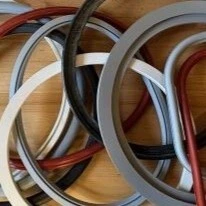
Store gaskets in marked containers by material, size, and intended connection. Keep them away from chemicals, heat, and direct sunlight according to supplier guidance. When a maintenance crew opens a tank, place removed gaskets in a discard or inspection container rather than beside new parts. Reusing a flattened seal because it looks clean can create a leak during the next pressure or temperature cycle. If different elastomers look similar, use part numbers and documentation rather than visual color cues.
At installation, check that the gasket sits evenly and does not protrude into the flow path. Follow the clamp or manway tightening pattern specified by the equipment maker. A seal squeezed unevenly may create a pocket where soil remains. Keep a record of the exact replacement part used, especially after a supplier substitution.
Investigate repeated failures
If one location consumes gaskets faster than others, compare its cleaning exposure, temperature swings, alignment, and operator practices. A manway that is opened daily has a different wear pattern from a rarely disturbed sample port. Inspect metal-to-metal fit and clamp condition. Do not solve a recurring leak by using a thicker or harder gasket without engineering review; the change can alter compression and sealing behavior. The most useful outcome of a gasket program is fewer unplanned openings and cleaner, more predictable connections.
Verify the actual chemical exposure
Collect the cleaning and sanitation procedures that touch each gasket. Record the product, dilution, temperature, contact duration, and rinse practice approved by the chemical supplier. Compatibility charts are useful screening tools, but they cannot substitute for the exact application. A gasket may tolerate a chemical briefly but swell after repeated hot cycles. If the brewery changes a detergent, review affected elastomers before the next full cleaning program, not after leaks begin.
Use the same care with thermal cycling. A cold fermentation tank may be cleaned warm and then cooled again. Repeated expansion and contraction can reveal a poorly compressed seal. If a gasket looks acceptable at room temperature but leaks only during hot CIP, preserve that observation for the supplier.
Build a replacement procedure
Before opening a connection, isolate and make the vessel safe. Remove the old gasket without scratching the metal seat. Inspect the groove and mating surface, then install the specified new part cleanly. Confirm that it is centered and not twisted. Tighten or clamp according to the equipment maker’s procedure. After reassembly, run the approved leak and sanitation check. Record the part number and date so later failures can be correlated with a material lot or maintenance event.
Do not mix gaskets from several vendors in an unmarked bin. If a replacement is proposed because the approved part is unavailable, require a compatibility review and a limited test. “Same dimensions” is not enough if material or hardness differs.
Review design at purchase
Ask a tank maker for a connection schedule that lists gasket size and material for every wetted port. Check whether maintenance staff can reach and replace each seal without removing unrelated equipment. A low-cost custom port can create a long-term parts problem if its gasket is hard to source. Standardizing common connection sizes can reduce inventory, but the process fluid and cleaning chemistry should still determine the material. Good gasket planning is a small upfront task that prevents repeated leaks and sanitation uncertainty.
A practical spare parts sheet
For each connection, list tank ID, port name, gasket material, dimensions, approved part number, and how many spares are kept. Add a photograph of unusual manway profiles. Store this sheet where maintenance can use it during a shutdown, and update it after a supplier-approved substitution. A handwritten note that a gasket “looked right” will not help the next technician.
During a planned inspection, take one representative gasket from each service and compare its condition with the installation record. If hot-side seals are swelling while cold-side seals are stable, review cleaning temperature and material compatibility. If only one manway leaks, inspect its mechanical fit. This targeted review is cheaper than replacing every gasket on a fixed calendar and gives the brewery evidence to improve the parts specification.

Robert Hayes is an ESL educator and curriculum developer with over nine years of experience teaching English to beginners and intermediate learners across multiple countries ( Biography ).